Generic Drugs: What They Are, How They Work, and How to Save Money
When you hear generic drugs, lower-cost versions of brand-name medications that contain the same active ingredients and meet the same FDA standards. Also known as non-brand medications, they are the backbone of affordable healthcare in the U.S. They aren’t cheaper because they’re weaker—they’re cheaper because companies don’t have to repeat expensive clinical trials. The FDA requires them to work the same way, in the same amount of time, and with the same safety profile as the original. Yet, many people still worry they’re getting less. That’s not true—if it’s FDA-approved, it’s just as good.
But here’s the twist: generic drug prices, the cost you pay at the pharmacy, isn’t set by the manufacturer or even your insurer. Also known as retail drug pricing, it’s controlled by middlemen called PBMs, pharmacy benefit managers who negotiate deals between drug makers, insurers, and pharmacies. These companies use secret pricing tricks like spread pricing and gag clauses to make you pay more than cash customers—even if you have insurance. That’s why sometimes paying cash for your generic pill costs less than using your copay card.
And not all generics are created equal. FDA generic approval, the process that lets a drug be sold as a generic version of a brand-name medicine. Also known as ANDA process, has changed since 2023 to prioritize U.S.-made drugs and reduce shortages. That means more generics are being made closer to home, which helps with supply—but doesn’t always mean lower prices. Meanwhile, generic drug quality, how safe and consistent the manufacturing process is. Also known as GMP compliance, is enforced in cleanrooms that follow strict ISO standards. If a company cuts corners, you could get a pill that doesn’t dissolve right or has impurities. That’s why some pharmacies source from trusted suppliers, while others don’t.
What you’ll find in these posts isn’t just theory—it’s real-world insight. You’ll learn how insurers and PBMs set prices behind closed doors, why your copay card might backfire, and how to spot a reliable generic brand. We break down how the FDA’s new approval rules affect what’s on your shelf, why some generic antibiotics work better than others, and how to avoid being overcharged for the same pill your neighbor bought for half the price. You’ll also see how people with chronic conditions like epilepsy or high blood pressure navigate generic switches without risking their health.
There’s no magic trick to saving on meds—just knowing how the system works. These posts give you the facts, the data, and the practical steps to make smarter choices. Whether you’re paying out of pocket, using insurance, or juggling multiple prescriptions, you’ll walk away knowing exactly where your money goes—and how to keep more of it.
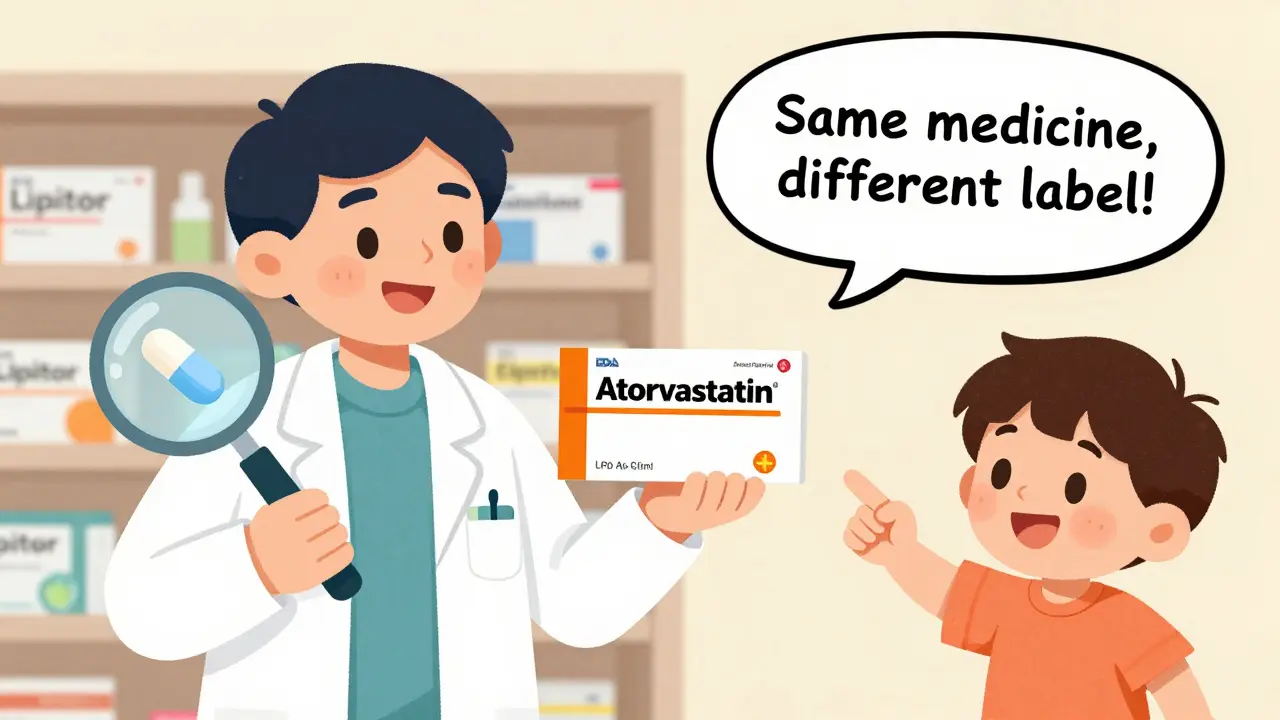
Authorized Generics: Same Drug, Different Label
Authorized generics are the exact same drug as the brand-name version, just sold without the brand label. They offer the same effectiveness at a lower price, but most patients don’t know they exist - or how to identify them.
View More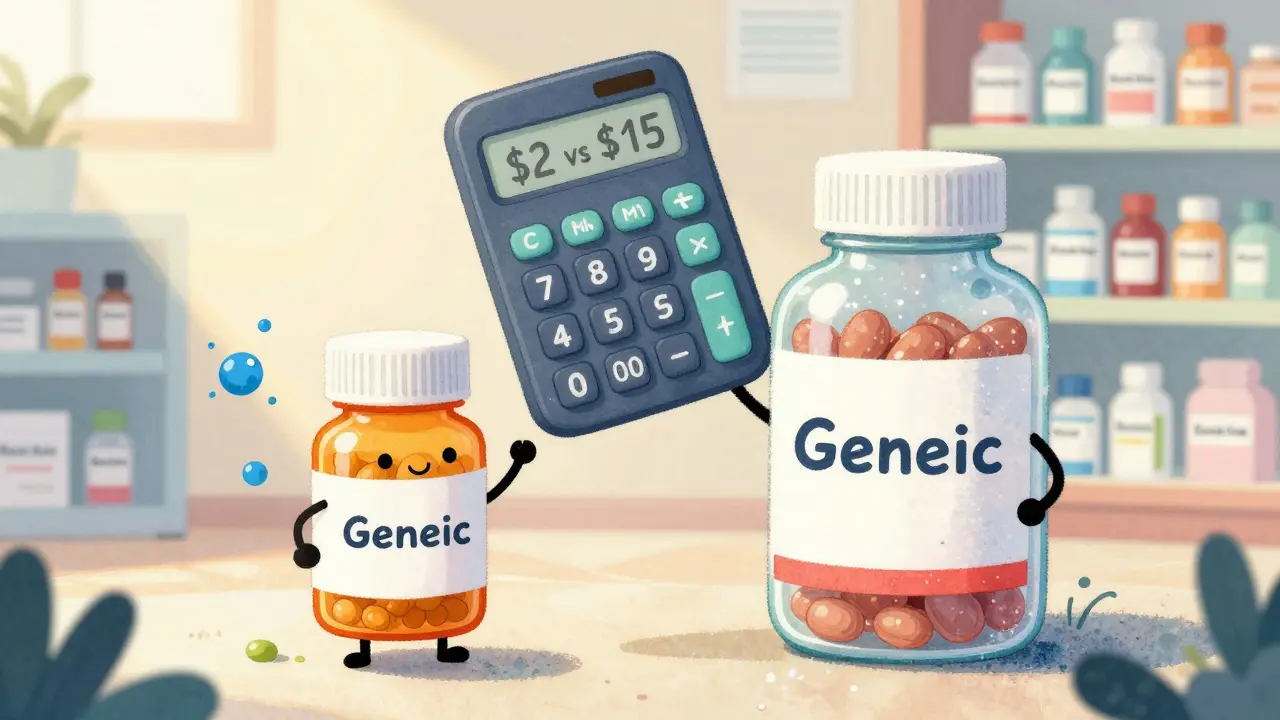
Manufacturing Cost Analysis: Why Generic Drugs Are So Much Cheaper
Generic drugs cost far less than brand-name versions because they skip expensive R&D, rely on economies of scale, and face fierce competition. Learn how manufacturing efficiency, regulation, and market dynamics make generics safe, effective, and affordable.
View More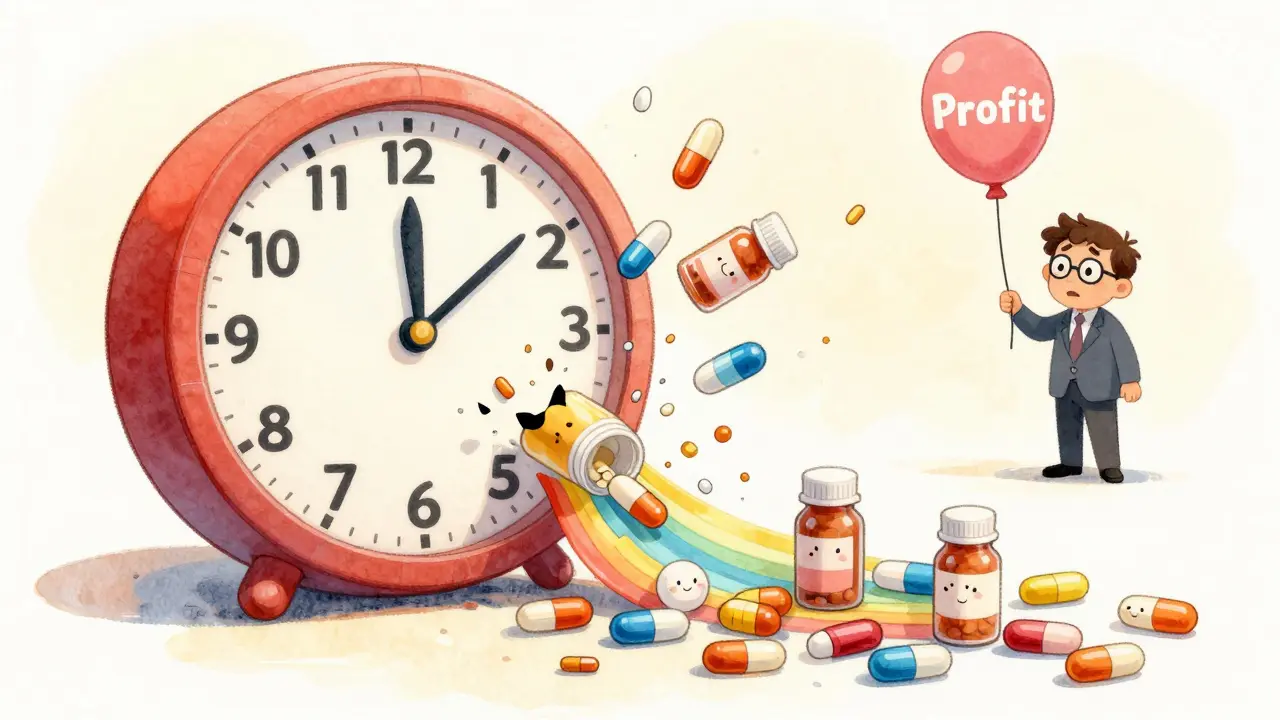
How Generic Drugs Are Reshaping Brand Pharmaceutical Profits
Generic drugs save billions annually but force brand manufacturers into a financial freefall after patent expiration. Learn how pricing, corporate strategies, and middlemen shape the real cost of medicine.
View More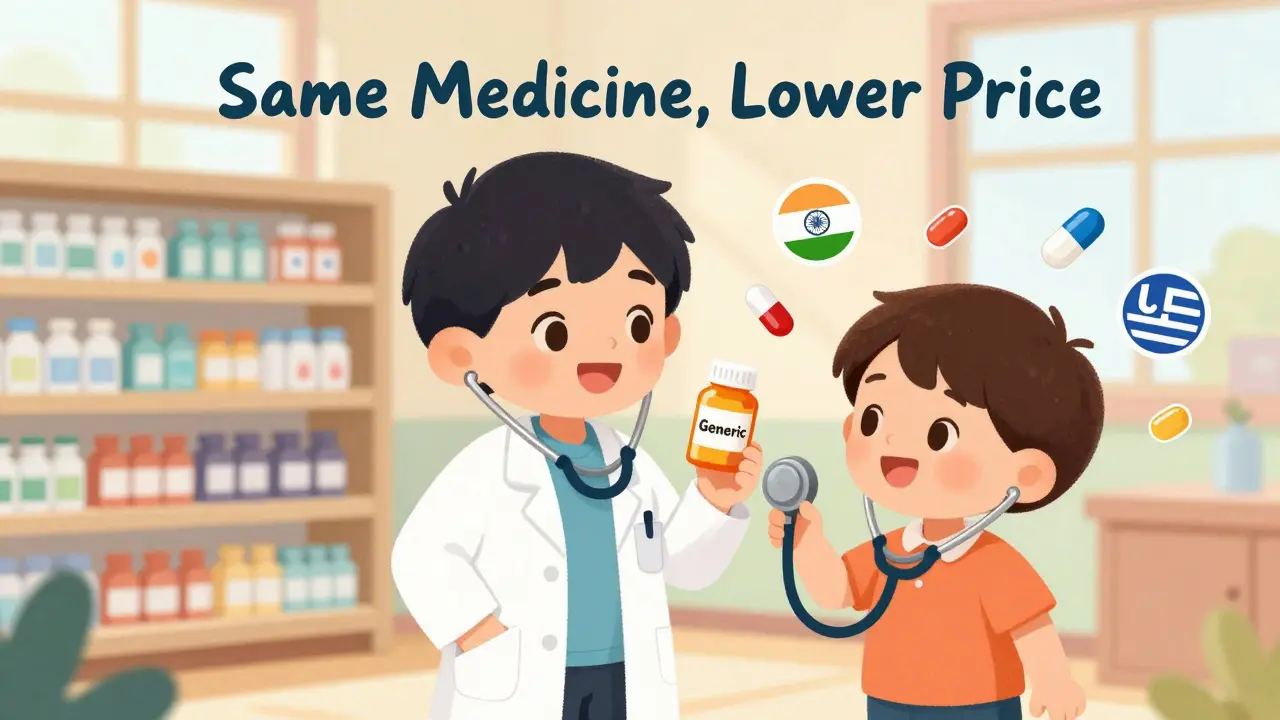
How Doctors Around the World View Generic Medicines
Doctors around the world have very different views on generic medications. From policy-driven adoption in Europe to life-saving reliance in India, generics are reshaping global healthcare-not as a compromise, but as a necessity.
View More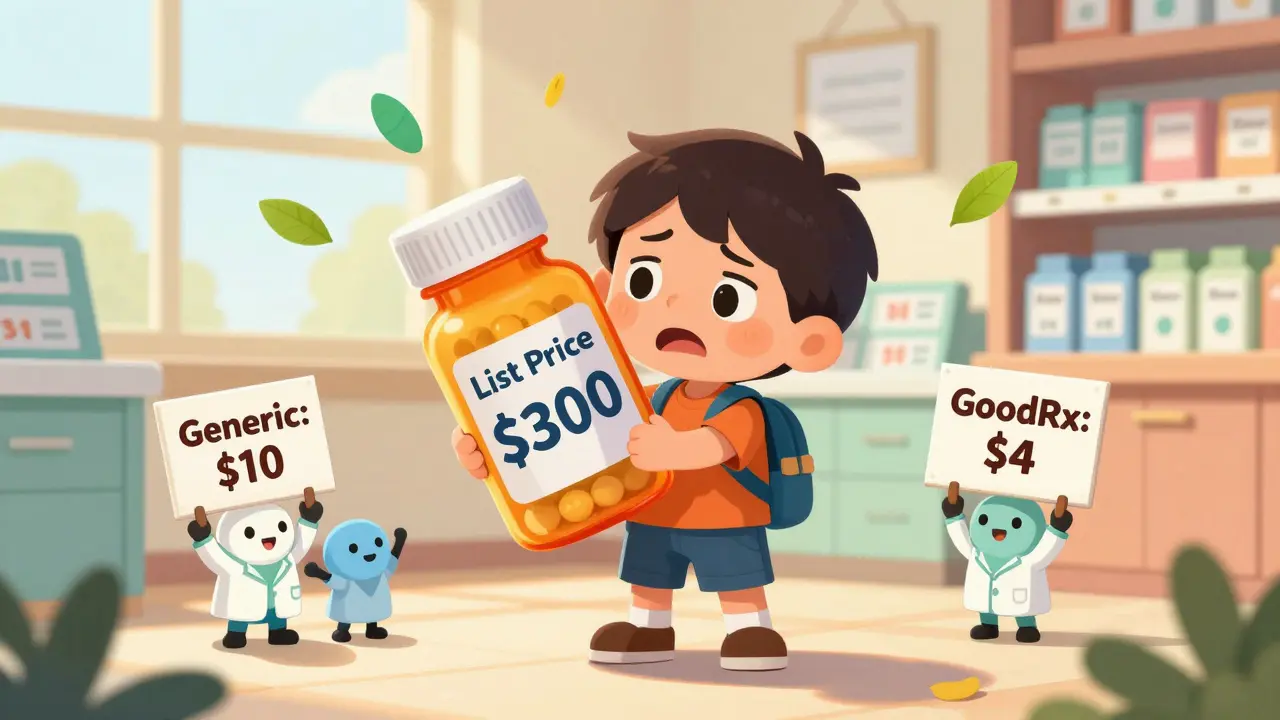
Medication Costs: How Coupons, Generics, and Prior Authorizations Affect Your Out-of-Pocket Expenses
Learn how generic drugs, prescription coupons, and prior authorizations impact your medication costs in 2026. Discover practical ways to save money and navigate the complex U.S. drug pricing system.
View More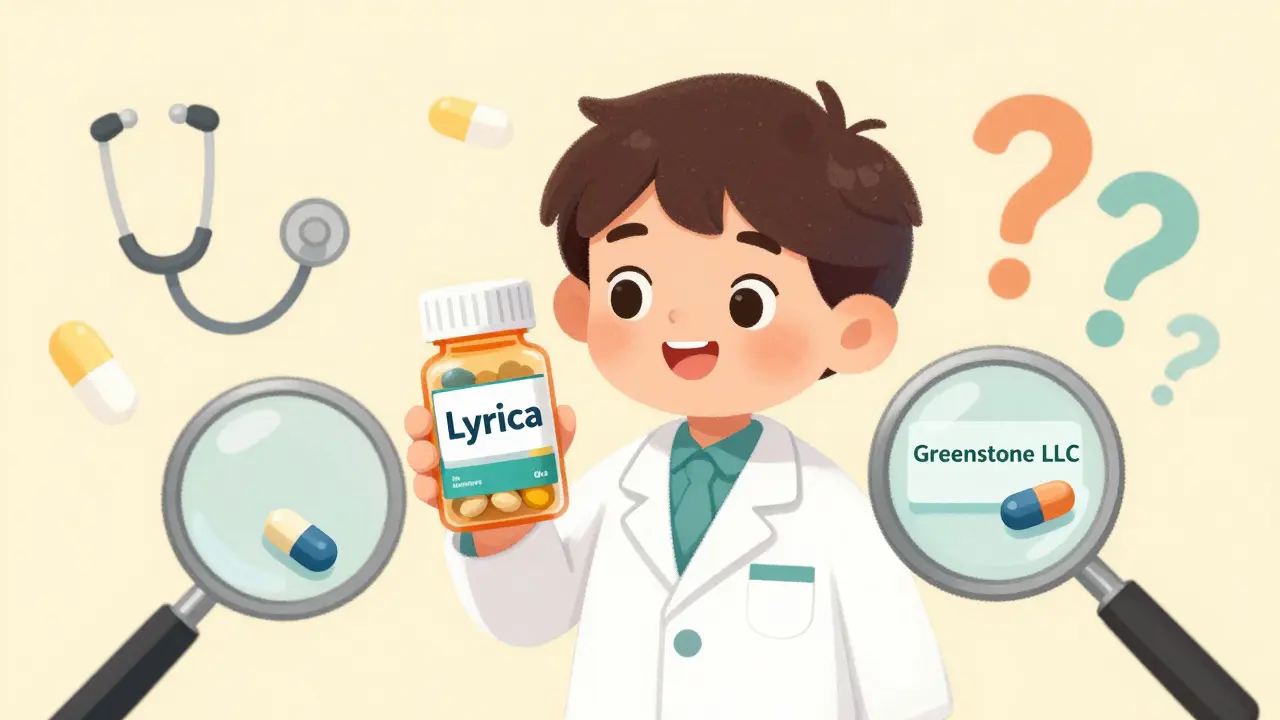
How to Identify Authorized Generics by Packaging and Labeling
Learn how to identify authorized generics by checking packaging, labeling, and NDC codes. Discover why they're safer than traditional generics and how to verify them using FDA resources.
View More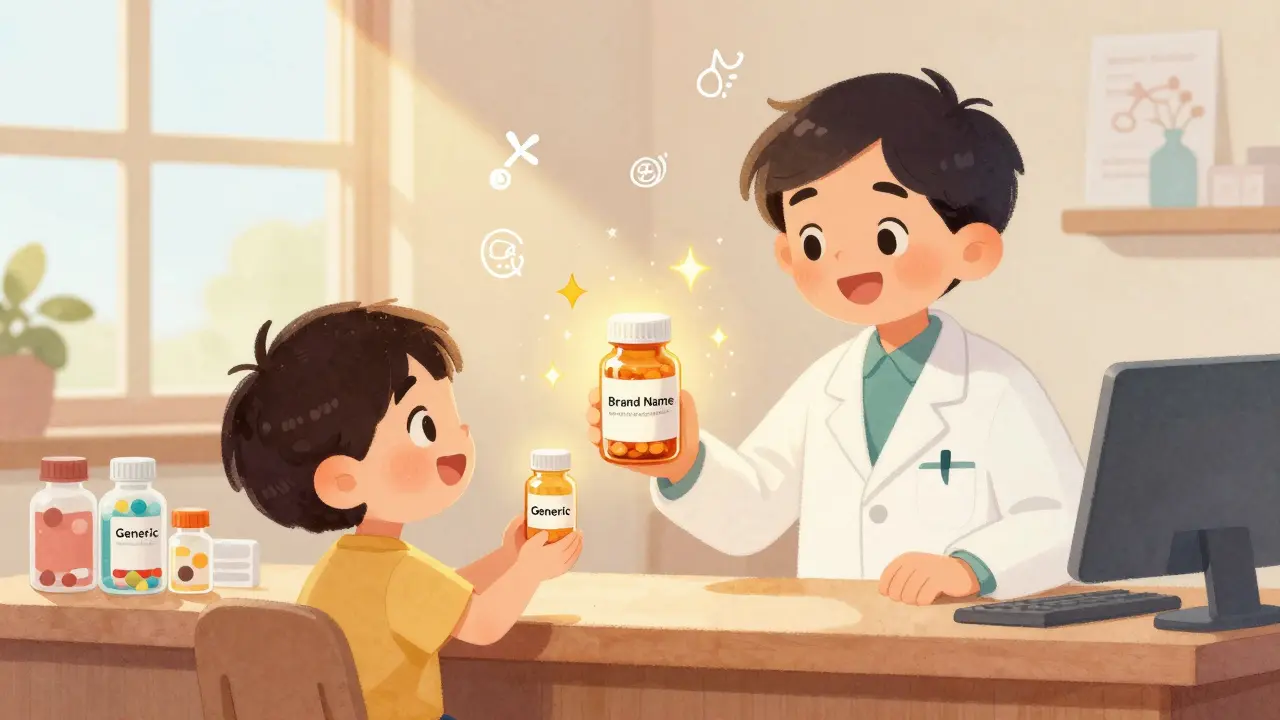
Understanding FDA Generic Drug Approval: What Patients Need to Know
Learn how the FDA approves generic drugs, why they're safe and effective, and what you need to know as a patient. Discover the science behind generic medication and how it saves billions each year.
View More
Medical Education on Generics: Do Doctors Learn Equivalence?
Despite generics making up 90% of prescriptions, many doctors lack training on bioequivalence. Learn why medical education fails to build trust in generic drugs - and what’s being done to fix it.
View More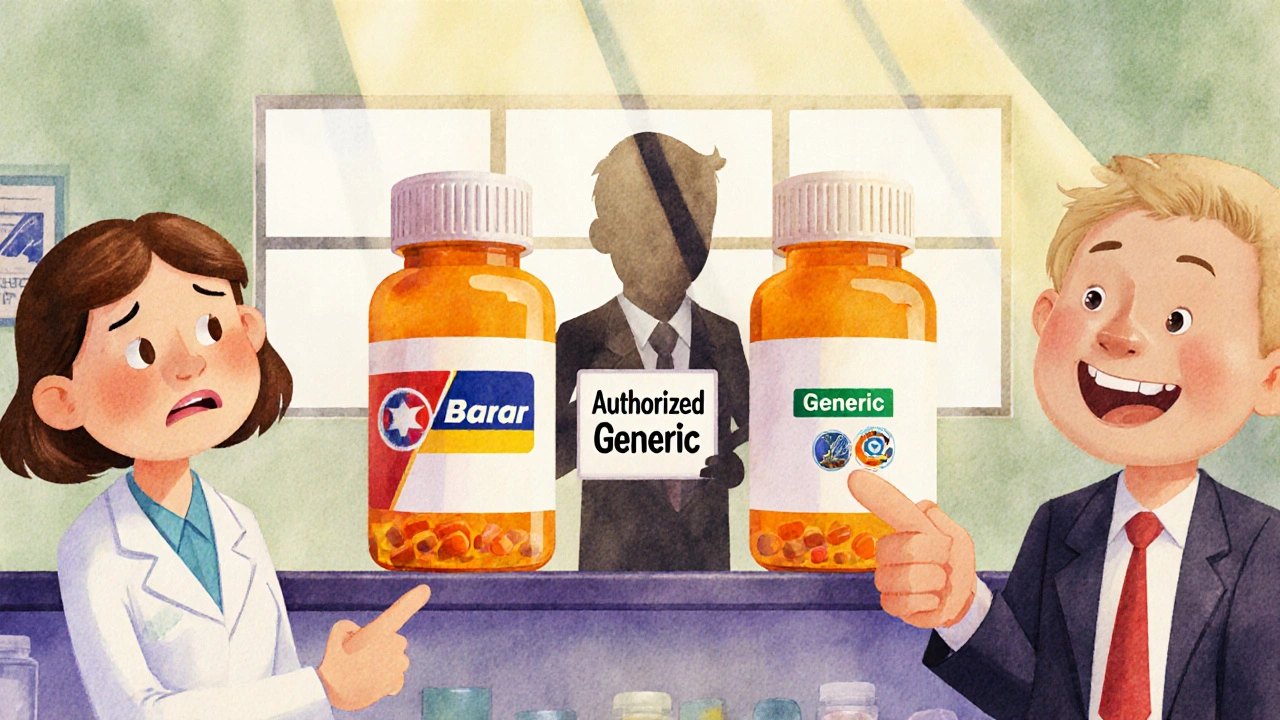
Patent Litigation: How Authorized Generics Affect Competition
Authorized generics let brand-name drug makers launch their own low-cost versions during the first generic's exclusivity period, undermining competition and keeping prices high. Here's how it works-and why it's under fire.
View More
© 2026. All rights reserved.